14 Aug 2026 Attractions
Charleston is a city best experienced on foot, one historic street and one local discovery at a time. Among the many places travelers visit in the Holy City, Charleston City Market stands out as one of the most recognizable landmarks in downtown Charleston.
Located in the heart of the historic district, Charleston City Market has been part of the city's story for more than 200 years. Today, it remains a popular destination for travelers looking for local crafts, Charleston souvenirs, sweetgrass baskets, food, art and a glimpse into the city's distinctive Lowcountry culture. The market includes three open-air sheds and an enclosed Great Hall with more than 140 merchants, according to Explore Charleston.
But the market is only one part of the experience.
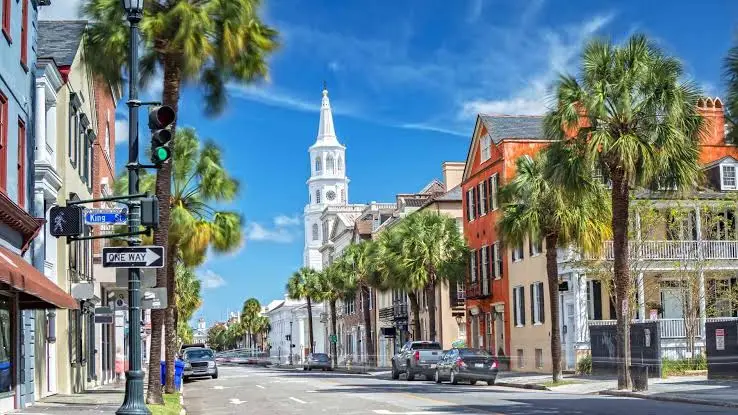
A visit to Charleston City Market can easily be combined with nearby attractions such as King Street, the French Quarter, Waterfront Park, Rainbow Row and the historic streets of downtown Charleston. That makes the area particularly convenient for visitors deciding where to stay.
If you're planning a Charleston vacation and want to spend your time exploring the city's best-known historic attractions, this guide covers what to see at Charleston City Market, what to do nearby, when to visit, where to eat and where to stay near the market.
Charleston City Market is a historic public market in the center of downtown Charleston.
The market has developed into one of the city's most visited shopping and cultural attractions. Visitors can browse locally produced crafts, artwork, food, souvenirs and other Charleston-themed products while experiencing one of the city's historic gathering places.
The official Charleston City Market website describes the market as one of the oldest public markets in the United States and highlights its connection to Charleston's culture, history and Southern character.
Today, the market encompasses three open-air sheds and one enclosed Great Hall, with more than 140 merchants listed by Explore Charleston.
That variety is part of what makes the market worth visiting.
You aren't simply walking through a row of souvenir shops. Depending on when you visit, you can encounter artisans, food vendors, artists, jewelry makers, specialty retailers and craftspeople.
Charleston City Market is located at 188 Meeting Street in downtown Charleston.
Its central position makes it a useful starting point for exploring the surrounding historic district.
Rather than planning a trip around the market alone, many visitors combine it with other nearby Charleston attractions. Explore Charleston specifically lists walking through Charleston City Market and shopping on King Street among the city's popular activities.
The surrounding area also gives travelers access to historic architecture, restaurants, shopping and several of Charleston's most photographed landmarks.
There isn't one single attraction inside the market. The experience comes from exploring the different sections and discovering the vendors along the way.
Sweetgrass baskets are one of the most distinctive traditional crafts associated with Charleston and the broader Lowcountry.
The baskets reflect a long-standing Gullah Geechee cultural tradition and are among the items that make shopping at Charleston City Market different from visiting a conventional tourist store.
If you're looking for a meaningful Charleston souvenir, a handcrafted sweetgrass basket can be far more memorable than a generic souvenir.
Visitors should take time to speak with artisans when possible and learn about the craftsmanship behind the pieces.
The market is also a place to discover artwork, handmade products, jewelry, decorative items and other locally inspired goods.
Explore Charleston identifies the City Market as a place where visitors can find local treasures, including sweetgrass baskets, Charleston-themed items and one-of-a-kind artisanal products.
This makes the market particularly appealing to travelers who prefer shopping for something connected to the destination rather than purchasing mass-produced souvenirs.
Food is another part of the Charleston City Market experience.
The market and surrounding downtown area provide opportunities to sample Lowcountry-inspired foods, baked goods, sweets and other local flavors.
Charleston is well known for its food culture, and the City Market area gives visitors an easy opportunity to combine sightseeing with dining.
If you're spending several hours downtown, consider building your day around both the market and nearby restaurants rather than treating the market as a quick stop.
The enclosed Great Hall is another section worth exploring.
It provides a different experience from the open-air market sheds and houses a selection of merchants and businesses.
The market's current vendor listings include food businesses, galleries, specialty shops and other retailers across its different areas.
Because vendors can change, it's worth checking the official Charleston City Market website before your visit if there is a particular shop or product you're hoping to find.
There isn't a single correct amount of time.
If you simply want to walk through the market and get a feel for the atmosphere, you may only need an hour.
If you enjoy shopping, talking with vendors, looking at artwork and stopping for food, you can easily spend several hours in the area.
The bigger advantage is that you don't need to dedicate an entire day exclusively to the market.
Charleston City Market works particularly well as part of a downtown walking itinerary.
For example:
Morning: Charleston City Market
Late morning: Historic downtown streets and French Quarter
Lunch: Downtown Charleston restaurant
Afternoon: Waterfront Park and Rainbow Row
Evening: King Street dining and shopping
This allows you to experience several of Charleston's signature locations without constantly moving your car.
One of the strongest reasons to stay near Charleston City Market is the number of attractions within the broader downtown area.
Here are several locations worth adding to your itinerary.
King Street is one of Charleston's major commercial corridors and one of the city's best-known destinations for shopping and dining.
Explore Charleston highlights both the King Street Antique District and King Street Fashion District as major shopping areas.
The street offers a very different experience from the historic market.
At City Market, you're surrounded by centuries of market history and local crafts.
On King Street, you'll find boutiques, restaurants, galleries, fashion retailers, specialty stores and other businesses.
That combination makes the two locations easy to pair during a Charleston trip.
If shopping is one of your priorities, you can spend the morning exploring City Market and continue toward King Street later in the day.
Charleston's Waterfront Park provides another change of pace from the busy market.
Located along the Charleston waterfront, the park offers open space and views toward the harbor.
It is particularly popular for relaxing, walking and taking photographs.
Waterfront Park is located at Vendue Range and Concord Street in downtown Charleston.
The park can fit naturally into a City Market itinerary because it gives visitors an opportunity to step away from shopping and spend some time outdoors.
One of Charleston's most recognizable photo locations is Rainbow Row, the colorful collection of historic buildings along East Bay Street.
The brightly painted facades have become one of the city's signature images.
Rainbow Row is especially easy to combine with a downtown walking day that includes City Market and Waterfront Park.
Rather than making a separate driving trip, visitors can group these historic locations together as part of their exploration of the peninsula.
The French Quarter is another important part of historic downtown Charleston.
The neighborhood is known for historic buildings, churches, galleries, restaurants and distinctive architecture.
It also connects naturally with the City Market and waterfront areas, making it a logical addition to a walking itinerary.
Travelers interested in Charleston's history can spend hours exploring the streets around the French Quarter, stopping at historic buildings, galleries and restaurants along the way.
The Battery is one of Charleston's most famous waterfront areas.
It is particularly popular for walking, historic architecture and views toward Charleston Harbor.
A visit to the Battery works well toward the end of a longer downtown sightseeing route.
You can combine City Market, the French Quarter, Waterfront Park and the Battery into a day focused almost entirely on Charleston's historic peninsula.
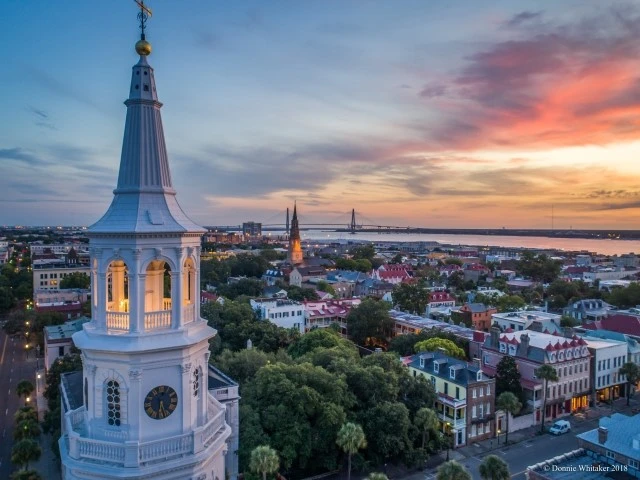
The biggest attraction around Charleston City Market may simply be Charleston itself.
The official Charleston tourism organization recommends activities ranging from historic homes and walking tours to harbor cruises, shopping and other cultural experiences.
That means you don't have to plan every minute of your visit around major attractions.
Sometimes the best Charleston experience is simply walking the historic streets, looking at the architecture, stopping for coffee and discovering a restaurant or shop along the way.
If you're visiting Charleston City Market specifically to shop, give yourself time to browse rather than buying the first souvenir you see.
Popular categories include:
The market's vendor mix changes, so visitors should check the current official directory for specific businesses and products.
For many visitors, a sweetgrass basket is one of the most meaningful purchases they can make in Charleston.
The craft is deeply connected to Lowcountry and Gullah Geechee cultural traditions.
If you purchase one, consider learning about the maker and the tradition behind the craftsmanship. That makes the souvenir part of the travel experience rather than simply another item in your suitcase.
The best time depends on the type of experience you want.
Morning can be a good choice for travelers who prefer a quieter start to the day and want to combine the market with sightseeing afterward.
You can visit the market first, then continue toward the French Quarter, Waterfront Park or other downtown attractions.
Afternoon can work well if you're building the market into a larger shopping and dining day.
After exploring City Market, continue toward King Street or other downtown shopping areas.
Charleston City Market's current official site lists regular daily daytime hours of 9:30 a.m. to 5 p.m., while its current listings also show evening market activity on Friday and Saturday. Because schedules can change, verify the official calendar before planning an evening visit.
If your goal is sightseeing rather than a specific evening event, daytime is generally the easiest option to plan around.
Charleston City Market can be a fun stop during a couples' getaway.
Instead of treating the market as a checklist attraction, use it as part of a relaxed downtown day.
Start with coffee, browse the market, walk through the historic district, stop for lunch and continue toward the waterfront.
Later, explore King Street for shopping and dinner.
The appeal is the variety.
You can move from historic buildings to local crafts, from shopping to waterfront views and from sightseeing to a relaxed evening without leaving downtown.
Families can also build a Charleston itinerary around the market.
Children may enjoy the colorful products, food, artwork and activity around the market, while parents can combine the visit with other downtown attractions.
Because the market is located in a busy urban area, families should plan for crowds and keep children close while exploring.
A flexible itinerary is usually better than trying to see every attraction in one day.
If this is your first Charleston trip, City Market is a useful introduction to the city because it combines several things Charleston is known for:
It also gives you a sense of where you are geographically.
Once you've explored the market, it becomes easier to understand how the surrounding historic neighborhoods and attractions connect.

Our cottages were designed with touches from our travels around the world, designed to give you an authentic experience that offers comfort and luxury inside, while offering an opportunity to connect with the beauty and transcending power of nature at the waterfront on the outside.
Book Now